For brands, trends work when they fit the message, are used with the right timing and are part of a bigger strategy. Used in isolation or too late, they quickly feel tacked on.
What is a TikTok trend?
A TikTok trend isn't one specific thing. It's something that emerges and that lots of people start jumping on. It can be big or small, local or global, and it can last a few days or become a shared reference people keep building on for months.
A trend typically takes one of these forms:
- A sound: a track, an audio clip or a remix that thousands of videos use as their soundtrack.
- A way of editing: a particular transition, pace or visual effect.
- A line or monologue that people reuse and put in their own context.
- A move or dance that's easy to learn and fun to repeat.
- A format or concept, such as a particular type of question, reaction or before-and-after.
What all trends have in common is that lots of people take the same starting point and add their own angle. That's exactly what makes them spread.
Classic examples are the Harlem Shake and the Ice Bucket Challenge, where huge numbers of people made their own version of the same concept.
Today we see the same pattern, just faster and more often driven by sound.
TikTok trend, challenge or hashtag – what's the difference?
The words are often used interchangeably, but there's a difference that matters when you're planning a campaign.
Usually emerges organically among users and creators. Nobody owns it. A brand can join in, but it has to do so on the trend's terms, and fast, before it's gone again.
A specific invitation to do something, often gathered under a hashtag. A challenge can be created by a brand from scratch, with a dance, a sound and creators who kick it off.
The hashtag is rarely the trend itself. It's a label that makes it easy to find and collect the entries.
So when a brand wants to create its own TikTok challenge, the hashtag is only one piece of the puzzle.
The sound, the move and the first creators are what decide whether other people actually want to take part.

What defines TikTok trends right now?
The platform changes all the time, and what worked yesterday won't necessarily work tomorrow. Even so, some patterns keep recurring in the trends that take off:
Less polished, more real
Content doesn't have to be perfect. Quite the opposite. What performs often feels spontaneous and relatable, like something a friend could have made.
The hook is everything
You have a few seconds to grab attention. If the opening doesn't work, people scroll on, however good the rest of the video is.
Short lifespan
Trends can appear within a few days and be gone again shortly after. Timing is critical, and long approval rounds are a real risk.
The sound ties it together
It's often the sound that makes content recognisable and easy to build on. In reality, many trends live on a sound far more than on a hashtag.
When do TikTok trends make sense for brands?
Trends can be effective, but they aren't a strategy in themselves. If all you do is chase trends, your content quickly becomes messy and directionless.
They work best as a supplement to an overall social media strategy, where you know who you're talking to and what you want to achieve.
The trend fits naturally with the message and the audience, the timing is right, you can react quickly, and it's part of a bigger plan with original content alongside it.
The trend requires the brand to become something it isn't, it's already on its way out, the message has to be forced in, or you're mainly doing it to show you're in the know.
It's not about being first. It's about being relevant. When a trend fits the message, it can make content feel more down to earth.
It feels less like advertising and more like something people want to be part of. When it doesn't fit, you can tell straight away.
How to use TikTok trends as a brand
There's no fixed recipe, but the brands that succeed with trends usually do the same things in the same order:
Watch the feed every day
You don't spot trends in a quarterly report. Use the For You page, save sounds that keep coming up, and notice what creators in your niche are doing right now.
Understand why the trend works
Is it the sound, the punchline, the transition or the idea itself? It's not about copying, but about understanding the mechanics so you can use them in your own way.
Test the relevance
Ask three questions: Does it fit the audience? Does it support the message? Can it drive real performance? If the answer is no, let it pass.
Give it a brand angle
The best version of a trend adds something. A product, an insight or a kind of humour that only makes sense coming from you is what makes your entry worth watching.
Bring creators in
Creators are often the ones who spot and drive trends. They know how a trend should be done so it feels genuine, and they have audiences who are already on board.
Publish fast and measure
Keep the approval path short. Look at how many people watch the videos to the end and whether they're shared or reused, not just at views.
Common mistakes when brands jump on a trend
A trend has a life cycle. Catch it at the right moment and you can get a lot out of it. Catch it too late and it quickly feels off. This is where many brands go wrong.
- Too late: content quickly looks a bit dated if you jump on something that's already dead.
- Too polished: a trend made like a TV ad loses what made it fun.
- Tacked-on message: if the product feels forced in, people scroll on.
- Only trends: without original content and a clear direction, the profile becomes a patchwork.
- The wrong sound: not every sound can be used commercially, so check the rights before a business account uses it.
- No follow-up: a video that lands should be followed up, extended or scaled with paid media.
How we work with trends and challenges
We don't do trends for the sake of trends. Sometimes a trend is the right way to go. Other times it's better to focus on original content. But when it fits, it can lift a campaign significantly.
Because we work with content every day, we have our finger on the pulse and can advise on what makes sense right now.
We have a large network of creators, which means we can react quickly to whatever is happening. You can explore our talent yourself.
We also go a step further and build trends from the ground up.
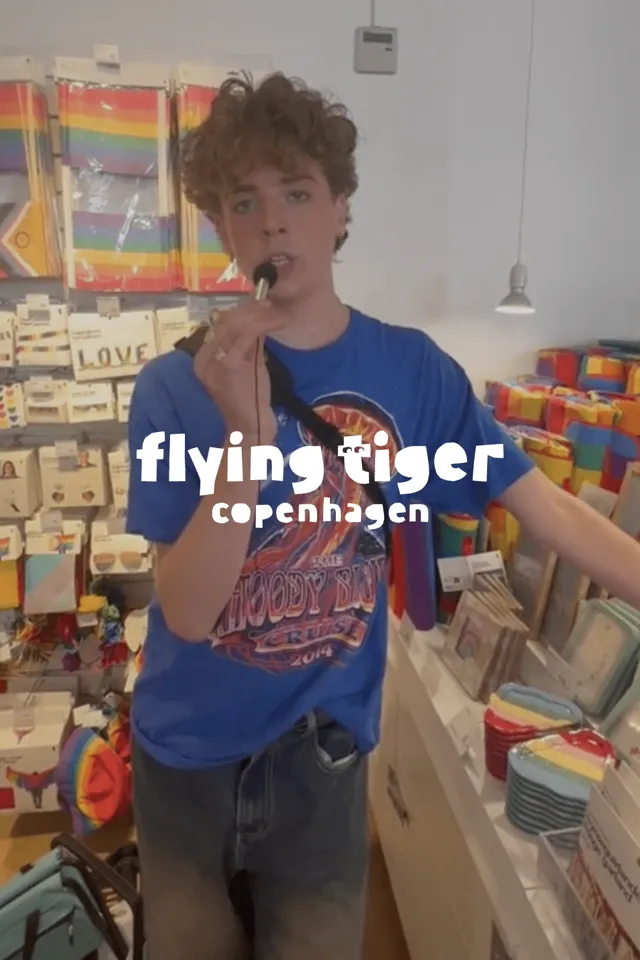
Dance and choreography have historically played a big role in social media trends, and two of our founders, Nicky and Michel, have danced for some of the biggest artists in the world and performed at the Super Bowl several times.
Read more about how we work with dance and choreography.
Trends are connected to everything else
TikTok trends rarely stand alone.
The best results come when trends work together with creator marketing, UGC content, campaign management and the direction you set in your strategy from the start.
If you want to see more examples of how trends, creators and content work together in practice, you'll find them in our cases.
Frequently asked questions
A TikTok trend is a sound, a format, a line, a dance or a concept that lots of users pick up and make their own version of. The trend spreads because every new video builds on the same starting point with a personal angle. Some trends only last a few days, while others become shared references that keep popping up in the feed for a long time.
The most reliable way is to use the platform every day. Keep an eye on the For You page, save sounds that come up in lots of videos, and follow creators in your niche, because they often spot trends first. TikTok also has its own tools for seeing popular sounds and hashtags. The most important thing, though, is to understand why a trend works, not just to know that it exists.
A trend usually emerges organically among users, and nobody owns it. A challenge is a specific invitation to do something, often gathered under a hashtag, and it can be created by a brand from scratch. So a brand can both join an existing trend and build its own challenge with a dance, a sound and creators who kick it off.
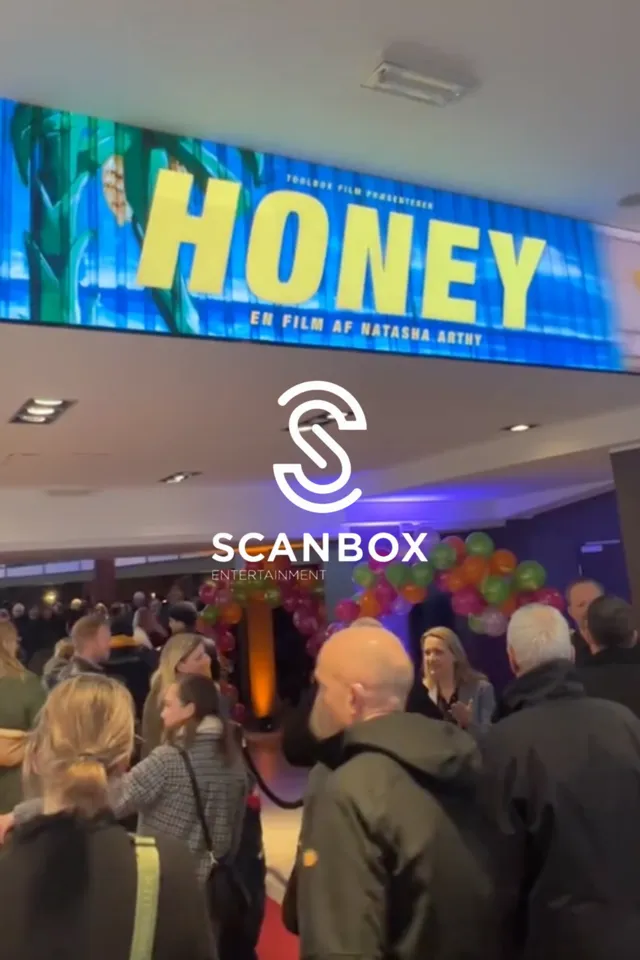
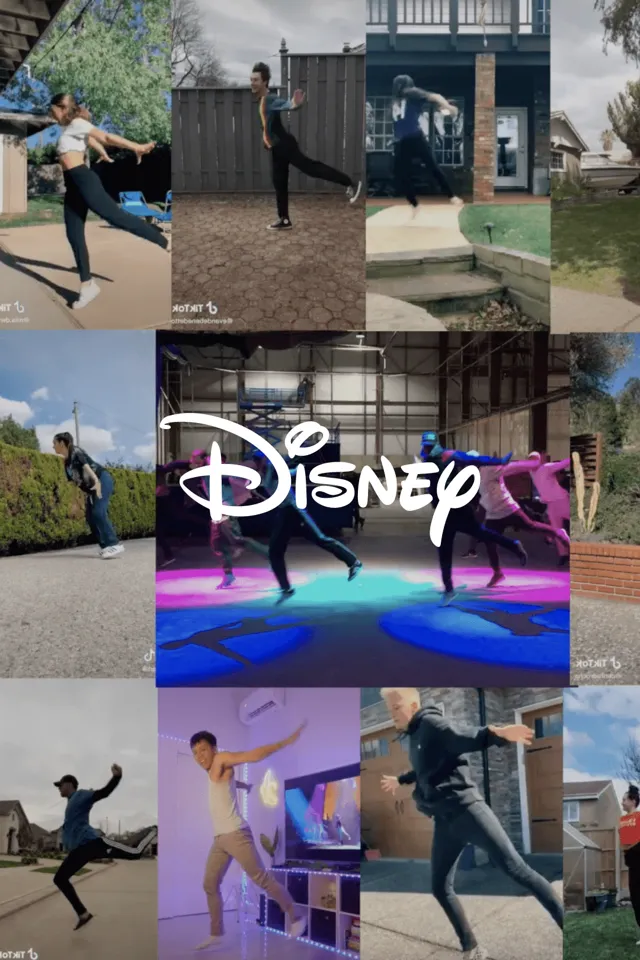
Yes, but it takes more than a hashtag. A trend other people want to join has to be easy to repeat, have a strong sound and be kicked off by creators the audience already follows. For Disney's Aladdin, more than 155,000 videos were made with #FriendsLikeMeChallenge, and for the film Honey, more than 5,000 users made their own version of the dance.
Often within a few days. Trends can appear quickly and disappear just as fast, and if you join too late it easily feels dated. That's why it takes a short approval path and someone who follows the feed daily. Being first isn't essential, but it is important to be in while the trend still feels alive to the audience.
Not always. Many popular tracks are licensed for personal users, but not necessarily for commercial use from a business account. Brands should therefore check whether a sound is available for commercial use, or use sounds they hold the rights to. When a creator posts on their own profile as part of a collaboration, rules apply too, so it's worth clarifying before production.
No. Trends are a strong supplement, but they can't stand alone. If you only chase trends, the profile quickly becomes messy and directionless. They work best within an overall social media strategy, where you know who you're talking to and where trends are combined with original content, creators and, where relevant, paid media that can scale what works.