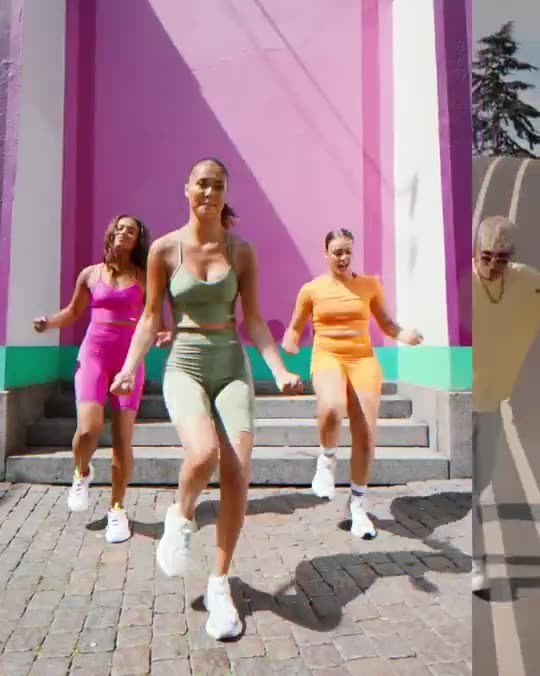
We handle the whole process, from idea, choreography and sound to activating dance creators and getting it out there. Behind the work are two of our founders, who have danced for global stars, and one of them was the choreographer on Disney's Aladdin.
Why dance and choreography work on TikTok
Dance has played a central role on social media from the start. When TikTok merged with Musical.ly, it was very much dance that drove the platform. Today dance is one of many content categories, but still one of the most effective ways to create engagement.
When content works, it's rarely just about the message. It's about how it's delivered. Three things make dance especially powerful:
Movement catches the eye
Movement makes content come alive and easier to take in. It stops the scroll in those first few seconds where everything is decided.
Sound creates recognition
The right sound makes content instantly recognisable. It's often the sound people remember, and the one they search for when they want to join in.
Repetition spreads
The combination of sound and movement makes it easy for others to take part. When something is easy to repeat, it's more likely to spread.
This isn't just true of TikTok. Movement, sound and timing play a crucial role across platforms such as Instagram Reels, YouTube Shorts and Snapchat.
A good piece of choreography can therefore often be adapted for several channels. Read more about Instagram content.
What we deliver in TikTok dance and choreography
We can take on a single part of the job or the whole process. Most brands and artists choose the full setup, because it's the interplay between the parts that makes a trend take off.
We work on everything from film releases and music launches to product launches and events. What the jobs have in common is that the goal is participation: people don't just watch the video, they make their own version of it.
Concept and idea
What will people want to watch, and how do you make it simple enough for others to take it further? We develop the idea from the brand and the audience.
Choreography
Choreography that shows quality but that ordinary users can learn. Dancers and non-dancers alike should be able to join in.
Sound
We find or create the sound the trend will live on. Often it's a title song, a new track or a soundtrack that can carry across content.
Dance creators
We activate creators who are strong in dance and movement and who can set the direction, so others start jumping on.
Production and warm-up
From tutorial and hero video to behind-the-scenes clips that build attention and anticipation before the trend itself launches.
Distribution and measurement
A publishing plan, follow-up and, where relevant, paid media, so what works organically can be scaled. We keep track of how the trend is doing.
How we work – from idea to dance trend
The goal isn't just to make a video. The goal is to create something that can live on the platform, even after the first creators have posted. That's why we usually follow the same steps:
Brief and goals
We clarify what the dance needs to achieve: awareness, ticket sales, footfall or a song in the charts. That shapes the choreography, the sound and the choice of creators.
Idea and format
We find the idea that feels natural in the feed. It's not about making something complicated, but about landing on something that feels right.
Choreography and sound
We develop the choreography from both the movement and the sound. The sound is what ties the trend together, so we work with it deliberately from the start.
Test and adjust
We test whether the moves can be learned quickly and whether they look good in a vertical format on a phone. If it's too hard, we simplify.
Activating creators
Selected dance creators launch the dance on their own profiles. They're the ones who give the trend credibility and get the first people to take part.
Distribution and follow-up
We keep track of how the trend spreads and help it along with new entries, competitions, events or paid amplification when it makes sense.
What makes choreography spread?
A good TikTok dance isn't necessarily the hardest one. It's the one most people want to try. From our experience, a few traits keep coming up:
- It can be learned quickly, but has one moment that's fun to master.
- It suits a vertical frame and can be danced in a small space, such as a living room or bedroom.
- The moves follow the sound clearly, so you can feel the beat even without knowing the song.
- It has a recognisable signature move that people associate with the trend.
- It leaves room for personality, so every new version feels a little different.
- It has a natural place for the brand or product without feeling tacked on.
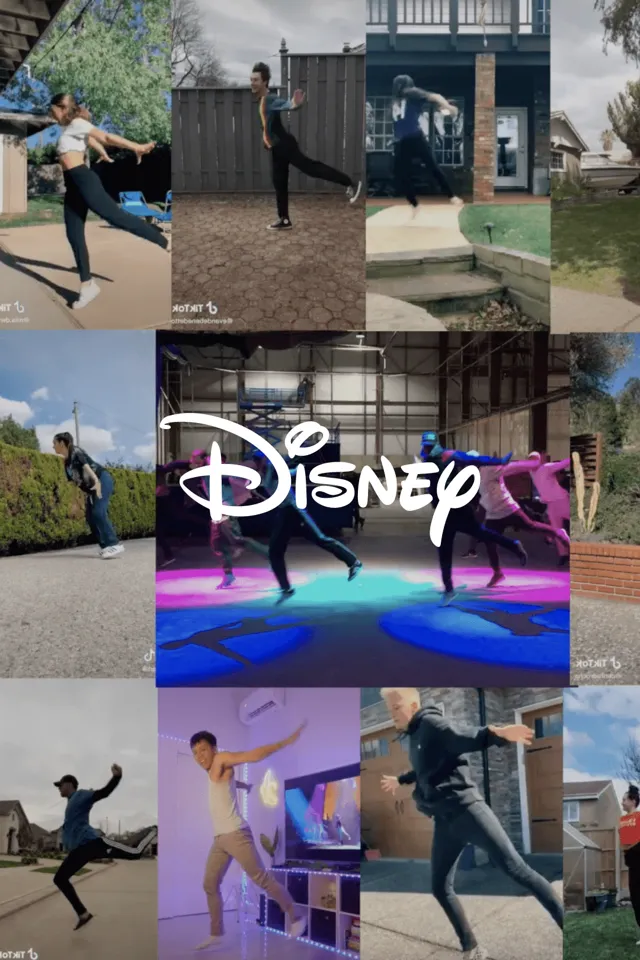
The hardest part is the balance. For Disney's Aladdin, the choreography had to be professional enough to reflect the film's high standard, yet accessible to ordinary TikTok users.
Striking that balance is a craft, and it's where our background makes a difference.
When is a dance trend the right solution?
Dance is a powerful tool, but it isn't right for everything. We'd rather say so from the start than build a dance trend that doesn't fit the brief.
You have a song, a launch or an event that needs to create hype, the audience is young and active on TikTok, the message can be carried by energy and mood, and you want people to take part, not just watch.
The message needs explaining or requires trust, such as a complex product, or the audience doesn't use the platform actively. Here UGC content or personal recommendations from creators often work better.
Dance and choreography rarely stand alone. They're often part of a bigger push with TikTok trends, creators and other content that together deliver the result.
TikTok dance and choreography in practice: three cases
Experience from the stage and the screen
Dance and choreography aren't just something we work with. They're part of our DNA. Two of our founders, Nicky Andersen and Michel Sian, are professional dancers who work with choreography every day.
They have danced for some of the biggest artists in the world, including Jason Derulo, Jennifer Lopez and Taylor Swift, and have performed at the Super Bowl several times.
Today Nicky works in TV, theatre and formats, while Michel choreographs for Danish artists.
That means we don't just understand movement. We understand how to create something people want to watch and do themselves.
And because we're also a creator agency with a large network of creators, we can go straight from choreography to activation.
See our talent or read more about creator marketing.
Frequently asked questions
The price depends on the scope: whether it's only choreography, or whether it also includes sound, production, activating creators and any paid media. The number of creators and their reach matter a lot too. We always put together a specific proposal based on your goals and budget, so you can see what the different parts deliver before you decide. Get in touch for a no-obligation chat.
No, nobody can honestly guarantee that a dance becomes a trend. It depends on whether users take to it. But you can increase the chances significantly with choreography that's easy to learn, a strong sound, the right dance creators and good timing. Those are exactly the things we work with, and they're what was behind the results for Disney and Honey.
No, and that's an important point. The trends that spread the most are the ones ordinary users can do. For Disney's Aladdin, the task was precisely to create choreography that showed a high professional standard but that dancers and non-dancers alike could join in with. So we design the choreography to be learnable, but still fun to master.
It depends on the job. The choreography itself can be developed fairly quickly, but a full process with idea, sound, testing, production and activating creators needs planning. If the dance has to land with a premiere, a release or an event, it's a good idea to start in good time, so there's also room for a warm-up with things like behind-the-scenes clips.
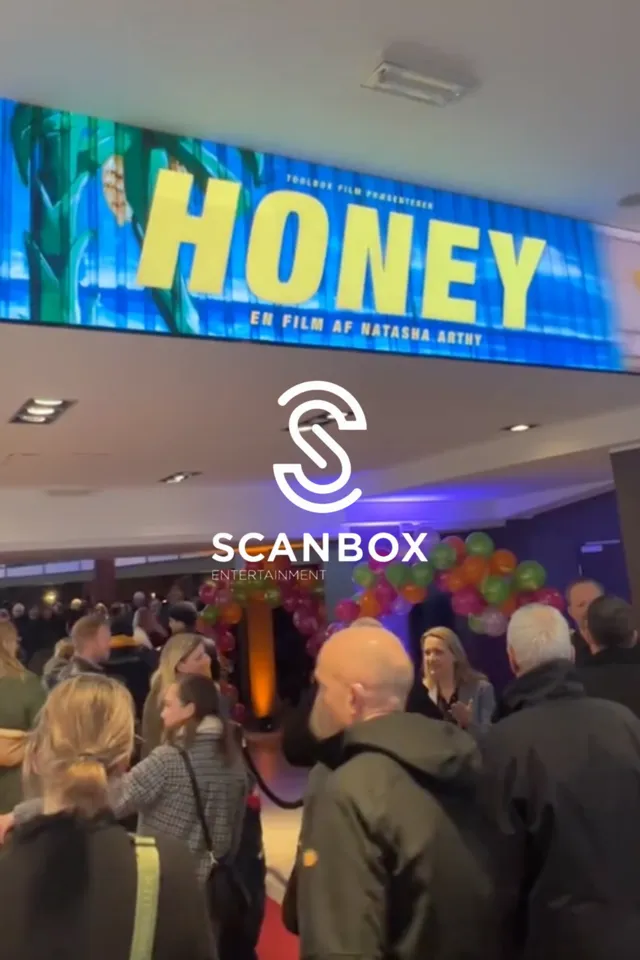
Yes. The sound is often what ties a trend together, and a new song can be the perfect starting point for a dance challenge. In the campaign for the film Honey, it was the title song "Hey Honey" that carried the trend, and it went to number 1 on TikTok's Danish chart. Michel also choreographs for Danish artists day to day.
No. TikTok is often where dance trends start and spread fastest, but movement, sound and timing also work on Instagram Reels, YouTube Shorts and Snapchat. A good piece of choreography can be adapted for several platforms, so the same idea reaches more audiences. It does, however, require the content to be tailored to each platform rather than simply reused.
Views are only part of the picture. The most important figure is often how many people make their own video with the sound or hashtag, because that shows real participation. We also look at how many watch the videos to the end, shares, and the action the campaign is meant to drive, such as clicks to ticket sales, streams or store visits. We agree the goals at the start.