What makes it special is that everything happens in real time, and the audience takes an active part in the chat instead of just watching. That creates a close relationship, but it demands respect for the streamer's community.
What is Twitch marketing?
Twitch is a livestreaming platform where creators go live and talk directly to their audience. The platform is known for gaming, but there's a lot more to it than that.
It isn't about short clips or polished, edited videos. It's about live content, presence and relationships.
Twitch marketing is about working with the creators who stream, and finding a place for the brand in what's happening live.
Typically in the form of streams where a creator is live and interacting with their audience, and where the brand features in a way that makes sense for both streamer and viewers.
Content on Twitch can include:
- gaming and new game releases
- events and live broadcasts
- Q&As and conversations with the audience
- partnerships where a brand is part of the stream
Twitch marketing is a particular form of influencer marketing.
The core principles are the same: credibility, the right match and a creator who stands behind what's being said.
The difference is that it all happens without edits and with no chance of a second take.
Why Twitch is different from other social media
On Twitch, the audience aren't just viewers. They're participants. They write in the chat, react live and shape the experience as it unfolds. That creates a relationship between creator and audience that's hard to achieve anywhere else.
Content is planned, filmed and edited before it's published. The viewer sees a finished video, often long after it was made, and the interaction happens afterwards in the comments.
Content happens in real time. Viewers are there as it happens and can change its direction instantly. Streams often last several hours, and it's the sense of being together that brings people back.
For brands, that means you can become part of an experience rather than just being a message. But it also means giving up some control. What's said live can't be edited afterwards, and the community quickly notices if something doesn't feel genuine.
Types of partnership on Twitch
It works best when the brand becomes a natural part of the stream. These are the most common ways of doing it:
Products used live
The streamer uses, tests or shows a product while the audience watches. It might be a new game, gear or something else entirely that fits the world of the stream.
Sponsored streams
A whole stream or a recurring segment is built around a brand or a launch. That leaves room to go in depth, but it needs an idea that can carry for a longer time.
On-stream activations
Competitions, challenges or tasks where the chat helps decide. It plays to the platform's strength: the audience can take part instead of just looking on.
Conversations along the way
The brand becomes part of the conversation between streamer and chat, for example through questions and answers. That requires the streamer to know and understand what's being discussed.
Events and launches
A live broadcast around an event or a release, where the streamer takes the audience inside something they wouldn't otherwise have access to.
Clips that live on
The best moments from a stream can be clipped and used on TikTok, Instagram and YouTube. That way the live activity also has a life after the stream has ended.
What they all have in common is that the most important thing is that it feels genuine. An integration that interrupts the stream is quickly called out in the chat.
An integration that becomes part of what people are there for anyway becomes part of the experience.
How we work with Twitch marketing
We work with Twitch through creators and specific partnerships. Twitch is still a relatively new platform in a marketing context, and it isn't where most brands start.
That's exactly why it's interesting. We test, try things out and keep learning what works in practice, and we take those insights with us, including to other platforms.
Clarify the purpose
We start with what the partnership needs to achieve, and whether Twitch is the right place at all. It isn't for everyone, and we'll say so when that's the case.
Find the right streamer
We work with streamers and gaming creators who have already built a strong relationship with their audience. It's more about match and community than follower count.
Develop the idea together
Twitch is the streamer's world and their way of communicating. That's why we develop the integration together with the creator, so it fits into the stream instead of being bolted on top.
Run it live
We agree the framework in advance: what needs to be included, when, and how much freedom the streamer has. The rest needs room to happen live. Our campaign management is what makes sure it all holds together.
Reuse and evaluate
We look at how the stream went, how the chat reacted, and which moments can be clipped and reused on other platforms.
An example in practice: Battlefield on Twitch
Among other things, we have worked with Wehype on a campaign for Battlefield. Here we activated our Twitch creator Jaxstyle, one of the biggest streamers in Denmark.
The campaign became a natural part of his live content. Instead of interrupting the stream, Battlefield became part of what his audience was already there for. That meant we reached an audience already engaged in gaming, through a voice they trust.
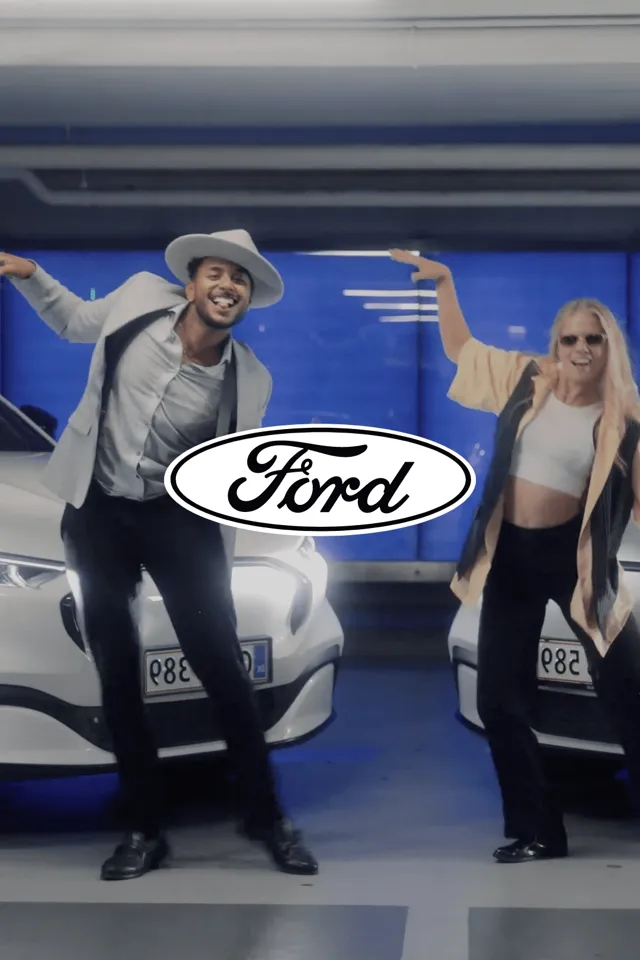
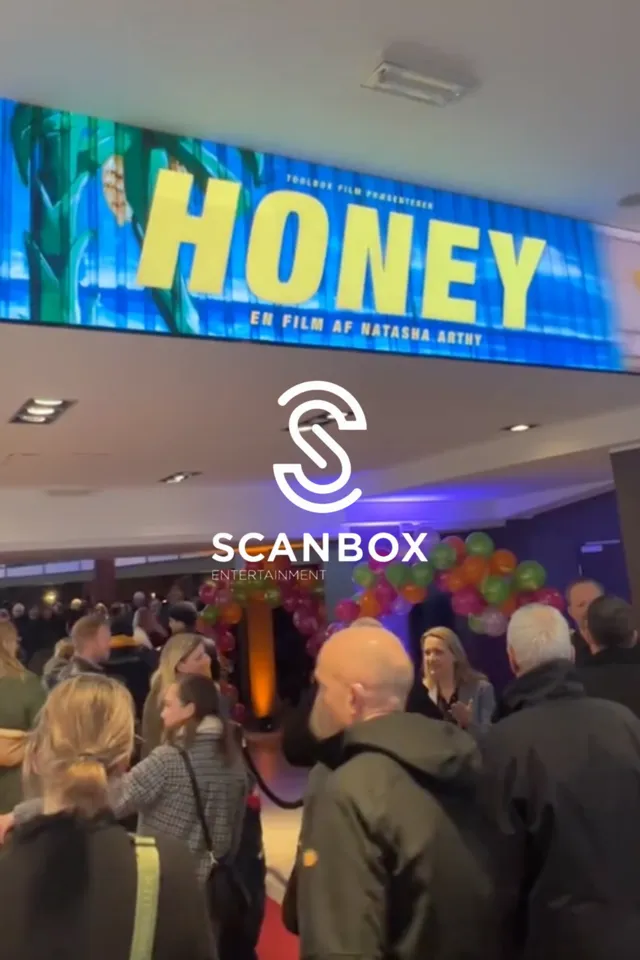
The live element doesn't have to happen only online, either. In our campaign for Ford, we combined content from some of Denmark's biggest TikTok creators with a physical meet-and-greet, where young fans could meet their idols in real life.
When does Twitch marketing make sense?
Twitch isn't for every brand. But in the right cases it can do something quite special.
you want to work with live content, you want to build a closer relationship with your audience, you want to be present in communities rather than just buy visibility, or your product fits naturally into gaming or the streamer's world.
you need a lot of control over the message, the campaign depends on short, polished videos, your audience isn't on Twitch, or you only want one quick burst of exposure without investing in the relationship.
If you're unsure, Twitch can work as a test alongside a broader effort on other platforms. That way you gain experience with live content without putting the whole campaign on one channel.
Common mistakes on Twitch
Because everything happens live, mistakes are quickly visible. The ones we see most often are:
- Treating a stream as ad space and sending a finished script for the streamer to read out
- Choosing a streamer on follower count alone, without looking at community and tone
- Interrupting what the audience is there for instead of becoming part of it
- Forgetting the chat, even though that's where the engagement happens
- Controlling things so tightly that the streamer no longer sounds like themselves
- Letting the content die when the stream ends instead of clipping the best moments
The common thread is the same as in all creator-led marketing: the audience follows the streamer because they like the person. If the partnership changes that, both the streamer and the brand lose something.
Twitch connects with everything else
Twitch rarely stands alone. It's part of a bigger setup where live content works together with other activity.
Clips from a stream can become short videos on TikTok, and a streamer who is also active on YouTube can carry the partnership on in a longer format.
Read more in our guide to YouTube marketing.
That's why we treat Twitch as part of the overall creator marketing and the wider social media strategy. That's where you decide what role live content should play and how it supports everything else.
You can also see which creators we work with under our talent, and find more examples of our work in cases.
Frequently asked questions
Twitch marketing is when a brand works with streamers on Twitch to become part of their live content. That might be products used on stream, sponsored segments, activations with the chat or live events. What makes it special is that everything happens in real time, and the audience takes an active part instead of just watching. That creates a close relationship with an engaged audience.
No. Gaming is a big part of Twitch, and games and gear fit in naturally. But streams also include events, conversations and Q&As, and many streamers have a world that's broader than the game itself. What matters isn't the industry, but whether the brand can become a natural part of what the streamer's audience is already there for. If it feels tacked on, it doesn't work.
Look at community and tone rather than follower count alone. A good streamer for a partnership has a strong relationship with their audience, a style that suits the brand, and a willingness to develop the idea together with you. Look too at how the chat has reacted to previous partnerships. We help find the right match through our network of creators.
YouTube is about polished, edited videos that people watch when it suits them. Twitch is about live content, where viewers are there the moment it happens and can influence it through the chat. YouTube gives you more control over the message, while Twitch gives you more presence. Many streamers are active on both platforms, and the two can easily work together.
It depends on the goal. Typically you look at how many people are watching during the stream, how long they stay, and how active the chat is while the brand is in focus. If there's a link or a code, you can measure clicks and redemptions. It's also worth looking at how clips from the stream perform when they're reused on other platforms.
Only partly, and that's part of the point. You agree the framework in advance: what has to be included, when, and what mustn't be said. But the rest needs room to happen live, otherwise the stream loses what makes it interesting. That's why choosing the streamer and a thorough briefing matter more on Twitch than on many other platforms.