It's the difference between content that simply gets posted and content that delivers results. Here's how to build one, and how we work with strategy at Micky Creatives.
What is a social media strategy?
A social media strategy is about setting a clear direction for your presence on social media. It isn't just about posting, but about knowing why you post and what it should lead to.
A good social media strategy answers four questions:
- What do you want to achieve? Awareness, traffic, sales, followers or something else entirely.
- Who is the audience, and what makes them stop scrolling?
- Which platforms make sense, and which can you skip?
- What should the content look like, and how will you measure whether it performs?
It sounds simple, but this is often where it goes wrong. Many companies can answer one or two of the questions, but not all of them.
A brand might know exactly who it wants to reach, for example, but not have decided which formats suit the platform. Or it has a clear creative idea without knowing how success will be measured.
The result is random posts, patchy performance and no common thread.
Why does a social media strategy matter?
You can make content without a strategy, but it rarely works in the long run. Without a strategy, content is quickly driven by gut feeling and one-off ideas. That can work for short periods, but it's hard to scale and to repeat success over time.
Clear direction
The strategy makes sure content isn't random, but works towards specific goals.
Measurable performance
When you work in a structured way, it becomes easier to measure, optimise and get better results.
Repeatable learning
You can test, learn what works and build on it, instead of starting from scratch every time.
Consistent results
Content becomes an active part of the company's growth rather than a string of one-off posts.
A strategy also makes it easier to say no.
When the goal and audience are clear, it's easier to judge a new idea, a trend or an approach from a creator: does it fit, or does it pull in another direction?
That saves time, budget and a lot of internal debate, and it gives your content a more recognisable look and feel over time.
How to build a social media strategy in 7 steps
There's no single right way to build a strategy, but some things should always be in place. This is how we approach it:
Define the goal
What do you want to achieve: awareness, traffic or sales? Set concrete KPIs, so you know what success looks like before you start.
Understand the audience
Who are you talking to, what do they use social media for, and what makes them stop in the feed?
Choose platforms
You don't need to be everywhere. Only where your audience is, and where your content can work.
Define the content
Which formats will you make, what's your tone of voice, and how will you grab attention in the first few seconds?
Build in creators
Creators make content that feels natural on the platform and reaches communities you don't have yourselves. Read more about creator marketing.
Combine organic and paid
Test content organically and scale what works through paid advertising.
Evaluate and optimise
What worked, and what performed best? This is where you find what can be scaled.
The strategy shouldn't be a long document nobody reads. It should be concrete enough that everyone making content knows what to make, and why.
Creative strategy: hooks, formats and creators
A large part of a social media strategy lies in the creative direction. This is often where it's decided whether content performs or not. We work a lot with hooks and formats, because the first few seconds decide whether anyone sticks around.
The creative questions we ask in every strategy include:
- Which concept should we work with, and can it carry several videos?
- How do we grab attention without it feeling like advertising?
- Which formats suit the platform: trends, sketches, recommendations or something else entirely?
- Which creators make sense given the audience, platform and concept?
Creators are a central part of the strategy. We choose them for relevance rather than size, and you can see who we work with among our talent.
We have a large network of creators, so we can match concept and audience rather than simply taking whoever is available.
If the strategy should be built on content from real users rather than well-known profiles, you can read about the difference in UGC vs influencer.
Organic and paid in the same strategy
If paid advertising is part of the job, it has to be built in from the start. We plan how content will be used in ads and how best to reach the audience. It's often the combination of organic and paid that delivers the best result.
Builds relationships, community and credibility over time. It acts as a test of what the audience responds to, and can generate huge reach on its own if the content lands.
Scales what already works and reaches exactly the audience you choose. It gives more predictable results and makes it possible to drive specific actions such as clicks and purchases.
In practice we often recommend letting content run organically for a few days before it goes into paid. That way you can see which videos grab attention and put budget behind them rather than guessing.
It's a simple rule, but it changes how you plan: content has to be produced in several versions, so there's something to choose between.
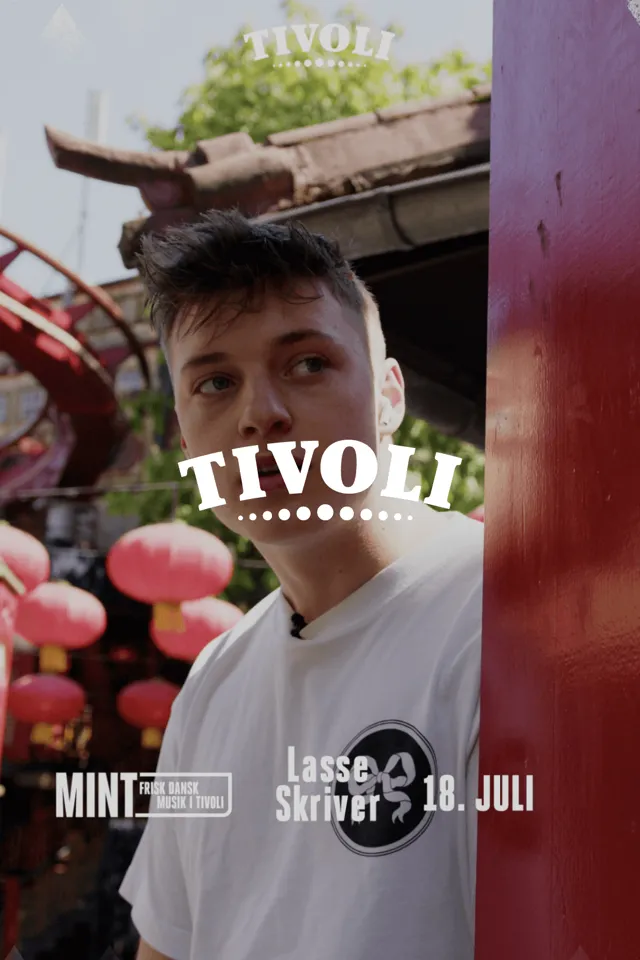
Tivoli MINT is a good example. We produced 17 unique videos over two production days, drew up a publishing strategy and ran TikTok Paid, optimising continuously based on data and user behaviour. The partnership continued in both 2024 and 2025.

The common mistakes we see
- Posting without a clear strategy and hoping for the best.
- Copying others without understanding why it works for them.
- Changing direction too quickly, before the content has had a chance.
- Focusing too much on the platform and too little on the content.
- Choosing creators by follower count rather than relevance.
- Not evaluating, and therefore not learning from what you've made.
The result is often the same: content that doesn't deliver consistent results. A strategy isn't static, either. It should be adjusted continuously, but based on data and learnings, not on a single video that didn't go as hoped.
How we work with social media strategy
Some clients come to us with a clear goal and a budget. Others need to build the direction from scratch. We meet them where they are, and always start from goals and KPIs.
Strategy isn't only about executing what the client has already decided. A big part of our work is bringing new ideas and suggestions.
We've worked with a wide range of brands across industries, and that experience gives us a good understanding of what works on different platforms and for different audiences.
If we can see that something could be optimised, we say so. Evaluation is a fixed part of the process, so the strategy keeps getting sharper.
Strategy, campaign and execution: what's the difference?
The three terms are often mixed up, but they cover different levels. Your social media strategy is the overall, ongoing direction for everything you do on social media.
A campaign strategy is the plan for one specific campaign with a defined goal and timeframe.
And campaign management is the execution itself: managing creators, deadlines, approvals and reporting, so the plan is put into practice.
It's the interplay between the three that delivers results. To see what it looks like in practice, you'll find more examples among our cases.
Frequently asked questions
At a minimum, a social media strategy should include goals and KPIs, a description of the audience, the choice of platforms, a creative direction for content and a plan for measurement and evaluation. Many strategies should also describe how creators and paid advertising fit in. The most important thing is that it's concrete enough for everyone making content to know what to do.
A strategy isn't static. The overall goal and the audience typically stay fixed for longer, while content, formats and choice of platform should be adjusted continuously based on data. We recommend evaluating after every campaign or major push and asking: what worked, what didn't, and what do we take forward?
No. Spreading yourself across too many platforms is one of the most common mistakes. It's better to be strong on the few platforms where your audience actually is, and where your content can work. For many brands that want to reach a young audience, TikTok and Instagram Reels are a good place to start.
The strategy is the direction: why you're on social media, who you're talking to and what it should lead to. The content plan is the practical overview of what is to be made and published when. A content plan without a strategy quickly becomes a list of random posts, while a strategy without a content plan rarely gets put into practice.
You measure against the KPIs you set at the start. If the goal is awareness, look at reach and views. If the goal is traffic, look at clicks. If the goal is sales, look at conversions and cost per result. On top of that, engagement, completed views and follower growth give a good picture of whether the content is reaching the audience.
Yes. Some clients need the whole package, from strategy to execution, while others have their own team and need advice on direction, creative concepts or choice of creators. We always tailor our approach to the specific brief, and a consultation can be a good way to get started.