It's put in place before any content is produced, and it makes sure creators, content and paid advertising all work towards the same goal. Here's how to build a campaign strategy step by step.
What is a campaign strategy?
A good campaign doesn't start with content. It starts with a strategy. Without a clear direction, even the best content quickly becomes random, and then it's hard to deliver results.
A campaign strategy defines four things:
- What the goal is, and which KPIs show whether it's been met.
- Who you want to reach, and where they are.
- How you'll do it: concept, content, creators and distribution.
- How you'll measure success and learn from the campaign afterwards.
Whereas a social media strategy is the ongoing direction for everything a brand does on social media, a campaign strategy is self-contained.
It covers one push with a specific goal, timeframe and budget, such as a launch, a premiere or an application deadline.
Why campaigns need a plan
Many campaigns don't fail on the idea. They fail because there's no common thread between the idea and what actually gets made. Creators get different messages, the ads point somewhere other than the content, and nobody agrees on what success was.
A good campaign strategy makes sure:
- Every element works towards the same goal.
- Content, creators and paid advertising work together.
- The budget is spent where it does the most good.
- You can evaluate and optimise, because you know what you're measuring.
Take the Danish trade union movement (Fagbevægelsen) as an example. The goal wasn't just to be seen, but to get young people to click through to dinfagforening.dk.
So the strategy was built around sharply cast creators, clear calls to action and a common thread running through all the content. It delivered more than 53,100 clicks.
Without that link between goal and execution, the same campaign could have ended up with lots of views and no action.
That's what creates consistency, and that's what makes the next campaign better than the last.
Campaign strategy vs campaign management
The two terms are often used to mean the same thing, but they cover two different parts of the work. Strategy is the thinking before you start. Management is the execution from start to finish.
What should we achieve, and why? Goals and KPIs, audience, platforms, concept, choice of creators, the role of paid advertising, timeline and how we'll measure. The result is a plan everyone can work from.
How do we put the plan into practice? Contracts and briefs for creators, deadlines, approvals, publishing, ad set-up, ongoing optimisation and reporting. The result is a campaign that delivers on the plan.
If you already have a plan and need help with the execution itself, you can read about our campaign management. This guide is about the planning.
How to build a campaign strategy step by step
We don't work with fixed templates, because every campaign is different. But these steps come up again and again, whether it's a small UGC push or a campaign running over several months.
Goals and KPIs
Start by defining the goal. It might be awareness, traffic, conversions or something else entirely, and often it's a combination. The most important thing is that everyone agrees on what the campaign should achieve and how it will be measured.
Audience and insight
Who should we reach, and what's on their minds? The more precise the audience, the easier every choice that follows. For Nanoscience, for example, the audience was young people in Aarhus and Copenhagen in the middle of choosing their degree, and that steered the creators, the content and the paid advertising.
Platforms
It might be TikTok, Instagram, YouTube, Snapchat or other platforms. It isn't about being everywhere, but about being in the right places.
Concept and creative direction
What should we say, what should it look like, and how do we grab attention? We work with hooks, formats and ideas that work on the platform the campaign runs on.
Creators
Which creators suit the audience and the concept? The choice should be based on relevance and credibility, not just follower count.
Distribution
Should the campaign run organically, or should paid advertising scale what works? That has to be decided now, so the content is made for it.
Timeline and phases
When should what happen? Many campaigns are stronger when they're split into phases that build on each other.
Measurement and evaluation
Decide in advance what you'll measure, when, and how the learnings will be used in the next campaign.
A good test of a campaign strategy is whether it fits on one page. If it doesn't, it's often too vague. At a minimum, that page should cover:
- One primary goal and the two or three KPIs that show whether it's been met.
- A short description of the audience and the insight the campaign is built on.
- The concept in one sentence that both creators and client can repeat.
- Platforms, number of creators and which types of profile will be involved.
- Whether and how paid advertising will be used, and when it starts.
- Phases and dates, including deadlines for content and approvals.
- What will be measured along the way, and when the campaign will be evaluated.
With that page in place, everyone from the creators to the client's own marketing department has the same picture of what the campaign needs to do.
Build the campaign in phases
A campaign doesn't have to be one big launch. Some of the strongest campaigns we've made were built in phases, where the first phase creates attention and the second turns it into something more.
The phases should be planned in the strategy, not invented along the way.
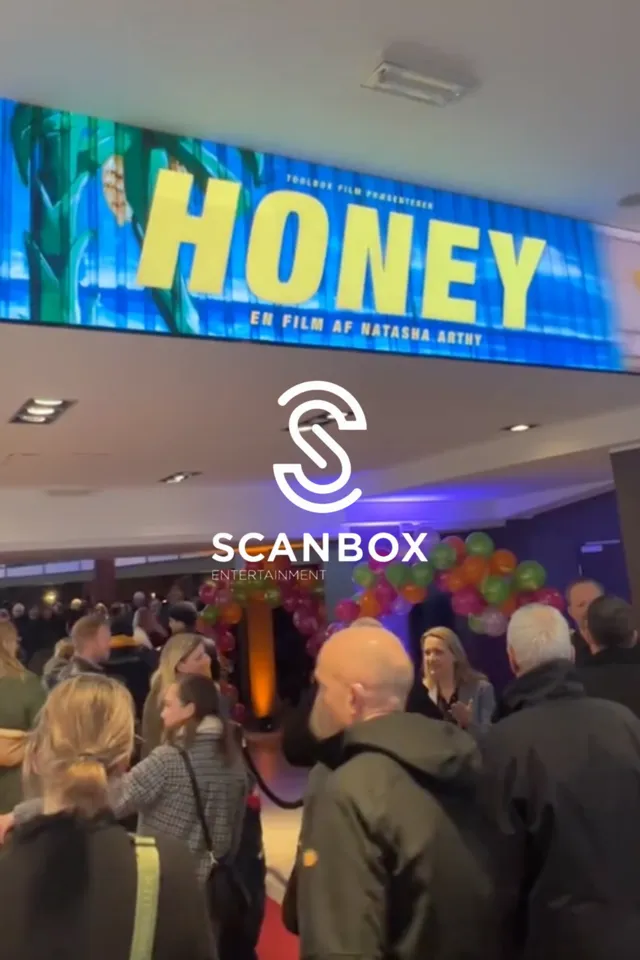
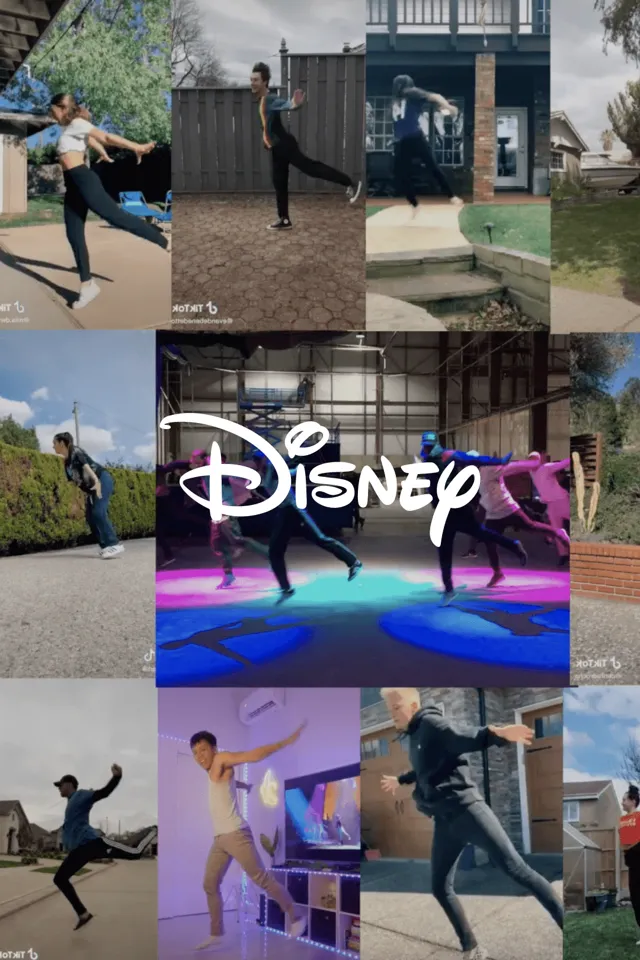
Both cases show that timing and sequence are part of the strategy. Read more about how dance can carry a campaign in our guide to dance and choreography.

Organic or paid distribution?
Paid advertising isn't always necessary. Many campaigns perform strongly organically, through creators and content alone. But if you want to reach more widely, reach a narrow audience or scale what works, paid advertising is a powerful complement.
We run paid advertising across platforms when it makes sense:
- TikTok, for example with Spark Ads from creators' profiles.
- Meta, meaning Instagram and Facebook.
- YouTube.
- Snapchat.
- LinkedIn.
The choice depends on the goal and the campaign. What matters is that the decision is made in the strategy, so the content is produced with paid in mind. To read more, see our page on TikTok and Meta advertising.
Common mistakes when planning campaigns
We often see the same problems when campaigns don't deliver:
- Starting on content before the strategy is in place.
- The goal is too broad, or there are several goals pulling in different directions.
- Focusing too much on content and too little on distribution.
- Choosing creators by size rather than relevance.
- There's no clear call to action, so the attention leads nowhere.
- Not evaluating afterwards, and therefore not carrying the learnings forward.
A campaign doesn't stop when it goes live. That's when the learning starts. What worked, what didn't, and what do we take forward? This is where you find the insights that make the next campaign stronger.
How we plan campaigns at Micky Creatives
We treat campaigns as one joined-up effort, not as separate elements. Some clients need the whole package, others need advice on specific parts.
We always start from the specific brief and think in terms of strategy, content, creators, paid advertising where it makes sense, and evaluation.
Creators are a central part of many campaigns. We have a large network of creators and find the right match for the audience and the concept.
You can see them for yourself among our talent. The strategy is closely tied to creator marketing and to the way we then execute.
Frequently asked questions
A social media strategy is the overall, ongoing direction for a brand's presence on social media. A campaign strategy is the plan for one self-contained campaign with a specific goal, timeframe and budget. The campaign strategy should always fit within the overall strategy, but it goes into more detail on concept, creators, phases, distribution and measurement.
Campaign strategy is the planning: goals, audience, platforms, concept, creators and how success will be measured. Campaign management is the execution: briefs and agreements with creators, deadlines, approvals, publishing, paid advertising and reporting. The strategy decides what should happen and why. Management makes sure it actually happens, and that the campaign delivers on the plan.
Start with what the campaign should change for the business, such as more tickets sold, more applications or greater awareness among a new audience. Translate that into measurable KPIs such as reach, clicks or conversions, and agree on them before the campaign starts. There are often several goals, but one should be the most important, so decisions along the way are easier.
No. Many campaigns perform strongly organically, through creators and content alone. Disney's #FriendsLikeMeChallenge, for example, led to more than 155,000 videos with no budget for TikTok paid. Paid advertising makes sense when you want to reach more widely, reach a narrow audience or scale content that already works. The decision should be made in the strategy, not along the way.
Choose on relevance rather than size. The right creator has an audience that matches the campaign's, a world that suits the concept, and credibility on the subject. Look at how their followers react, not just how many there are. Choosing creators on follower count alone is one of the most common mistakes.
It depends on the size of the campaign and how much is fixed from the start. A smaller campaign with a clear goal can be planned quickly, while a campaign with several phases, lots of creators and paid advertising needs more preparation. The most important thing is that the strategy is in place before content is produced, or you end up making corrections afterwards.