At Micky Creatives our campaign managers own the whole process, so the plan actually gets delivered and you can see exactly what you got out of it.
What is campaign management?
Coming up with an idea for a campaign isn't hard.
The hard part is executing it properly: getting every moving part to work together, making sure creators deliver, and making sure the client actually gets what they set out to achieve.
That is exactly where a lot of social media campaigns fall apart.
Campaign management is about running the whole process. That can be anything from small UGC collaborations to larger campaigns spanning several months, platforms and audiences. It typically covers:
- Pitch, ideas and creator suggestions.
- Agreements, briefing and dialogue with creators.
- Production, feedback and content approvals.
- Timeline, deadlines and coordination with the client.
- Publishing and, where relevant, paid media.
- Ongoing follow-up, reporting and evaluation.
Campaign management vs. campaign strategy
Campaign management isn't the same as setting the strategy. Strategy is the planning before launch; management is the execution. Both need to be in place for a campaign to work.
The plan: goals and KPIs, audience, platforms, concept, choice of creators and whether paid media comes into play. Answers what and why.
The execution: briefs, contracts, deadlines, approvals, publishing, optimisation and reporting. Answers how, when and by whom, and makes sure the plan holds.
If you want to know more about the planning side, read our guide to campaign strategy. Many of our clients get help with both, so strategy and execution are joined up from the very first meeting.
How much help makes sense depends on the resources and experience you have in-house:
Full campaign management
We run the whole process from pitch to report. Makes sense when you don't have an in-house team with experience of creators and social media, or when the campaign is big and has a lot of moving parts.
Executing your plan
You have the strategy and the concept; we handle creators, production, deadlines and publishing. Makes sense when the direction is set but the capacity isn't there.
Consulting on specific parts
You run the campaign yourselves but want help with, say, choosing creators, writing briefs or evaluation. Makes sense for teams that want to sharpen their own skills.

How we manage campaigns: from pitch to report
Every campaign is different, and we always adapt our approach to the brief in front of us. But a fully managed campaign typically looks like this:
Brief and expectations
We start with your goals, audience, budget and timeframe, so we agree on what the campaign needs to achieve and how we'll measure it.
Pitch and plan
We present ideas and creators that fit the job. This is where we set the direction and lay the foundations for the campaign.
Creators and agreements
We handle the dialogue with creators, put the agreements in place and make sure everyone knows the scope, deliverables and deadlines.
Briefing
Each creator gets a brief tailored to them, so the content feels genuine and still carries your message.
Production and approval
We follow up along the way, give feedback and gather approvals, so you don't have to chase files and versions.
Publishing and paid media
We coordinate when content goes live, and if paid media is part of the campaign, we set it up and optimise it as we go.
Report and evaluation
Finally, we pull the results together in a clear report and go through both what worked and what can be improved.
Some clients need help from start to finish. Others need input on specific parts, such as choosing creators or quality-checking content. We do both, and you can read more about our consulting.
Working with creators
A big part of campaign management is the day-to-day work with creators. We handle the whole process, from the first conversation and briefing to follow-up and approvals. The aim is content that feels natural, is relevant to the audience and performs.
We have a large network of creators, and we know them. That means we know who delivers on time, who is strong in which formats, and how to brief them so the result is good. You can see them among our talent.
It's also about striking the balance between freedom and guardrails. Creators need room for personality and humour, because that's what drives engagement.
But the message has to come through clearly and the brand guidelines have to be respected. Getting that balance right is one of the most important things a campaign manager does.
Read more about the approach in creator marketing.
Sometimes a campaign reaches beyond the screen.
For Ford, we coordinated both a TikTok dance with some of Denmark's biggest creators and a meet-and-greet at Ford's flagship store that drew hundreds of visitors.
When digital and physical have to work together, planning and coordination matter even more.
Quality is in the details
The difference between good-looking content and effective content often lies in the things you don't normally see.
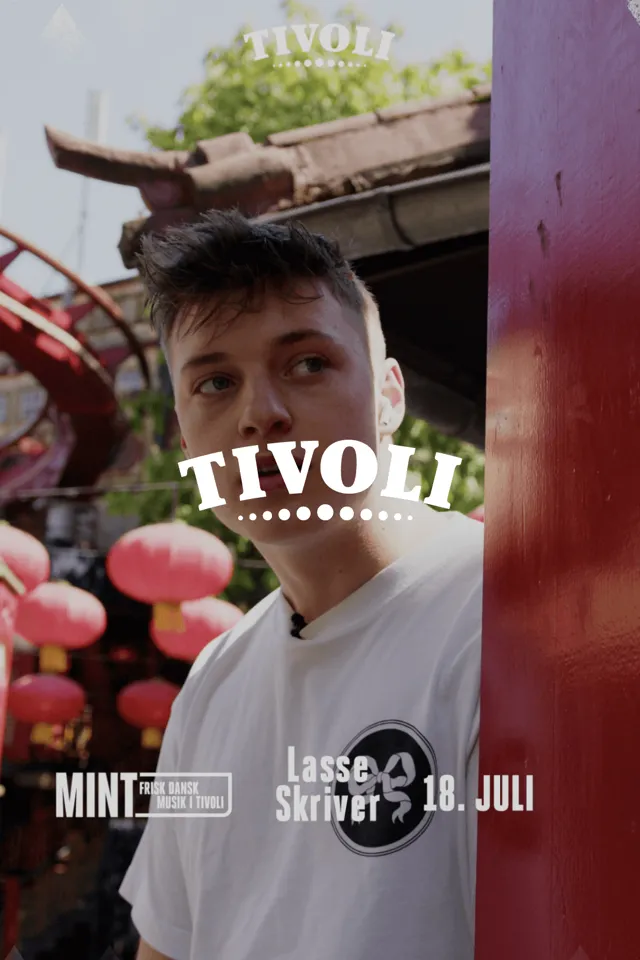
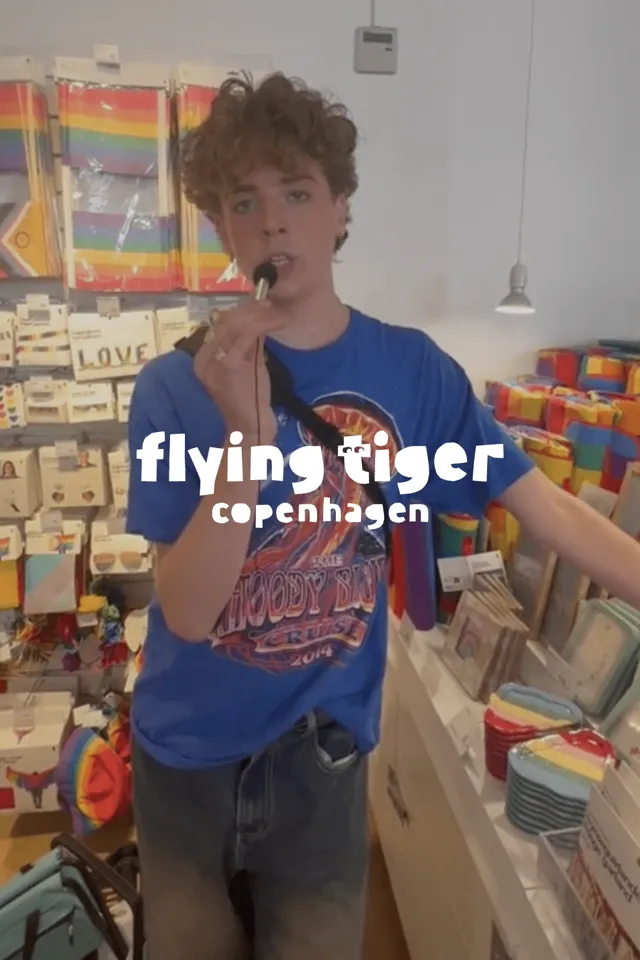
Those are what we spend our time on in execution: a brief that fits the individual creator, a shoot day where everything is prepared, and an edit tailored to the platform's format and what users expect.
They sound like small things, but they decide whether the viewer sticks around.
Reporting and evaluation
We take a data-driven approach to evaluation. It should be obvious what you got out of the collaboration, which is why we produce clear reports rather than long spreadsheets. A good report answers:
- Did the campaign hit the goals and KPIs we agreed at the start?
- Which creators, videos and formats performed best, and why?
- What did paid media deliver, if it was part of the campaign?
- What didn't work, and what will we do differently next time?
The evaluation is actively used to strengthen the next push. That's how we keep improving, and it's one of the reasons several of our clients come back campaign after campaign. See some of the results in our cases.
Fagbevægelsen, the Danish trade union movement, is a good example. After a successful campaign in November 2024, we built on it in January 2025 with the aim of greater reach and more clicks.
The second campaign delivered more than 7 million views and over 53,100 clicks to dinfagforening.dk, because we knew what had worked the first time.
Common execution pitfalls
When campaigns go wrong, it's rarely the idea that's the problem. It's the execution. The pitfalls we see most often are:
- Generic briefs that give creators too little to work with, or too little freedom.
- Unclear approval processes that hold content up.
- Deadlines that don't fit the creators' own posting rhythm.
- No call to action, so attention never turns into action.
- Paid media that starts before you know which videos are working.
- No overall evaluation, so the learnings disappear with the campaign.
All of these can be avoided with a clear process and one person who is responsible for keeping to it.
Why choose Micky Creatives?
We are a digital entertainment agency. We don't just think in structures and processes, but in content, creators and what actually works on the platforms.
Since 2020 we have run campaigns for a long list of brands, both Danish and international, and we bring that experience to every campaign.
- Campaign managers who guide you through the whole process.
- A large network of creators.
- Content and performance under one roof, so paid media and creators work together.
We work proactively and make sure the quality holds all the way through. Campaign management is closely tied to your overall social media strategy, and when every part works together, that's where the best results happen.
Frequently asked questions
Campaign management covers the whole process from pitch and plan to evaluation. It typically includes selecting creators, agreements and briefs, follow-up during production, feedback and approvals, coordinating publishing, any paid media, and a final report. How much we take on depends on the campaign. Some clients want the lot; others need help with specific parts.
Campaign strategy is the planning: goals, audience, platforms, concept and choice of creators. Campaign management is the execution: briefs, agreements, deadlines, approvals, publishing, optimisation and reporting. The strategy decides what should happen and why. Management makes sure it actually happens on time, at the right quality and with a result you can measure.
A campaign manager is your fixed point in the campaign. They coordinate between you and the creators, take care of briefs, deadlines and approvals, follow up on production and keep an eye on whether the campaign is delivering against its goals. That means you don't have to chase content, versions and agreements yourself, and can focus on giving feedback and making decisions.
Yes. We work on everything from small UGC collaborations to larger campaigns running over several months with bigger budgets. The process is the same, but the scope is scaled to the job. A smaller campaign might have a few creators and a short timeline, while a larger one might have several phases, lots of creators and paid media across platforms.
We measure against the goals and KPIs we agreed at the start. That might be views and reach, clicks, conversions or follower growth. After the campaign we produce a clear report showing the results, which creators and videos performed best, and what we take forward. The evaluation is actively used to make the next campaign stronger.
Yes, you always have the final say. We present creators in the pitch, and content is sent for approval before it's published. We gather feedback and versions so the process stays manageable, and we advise on when it makes sense to give creators the freedom to do it their own way, because that's often what performs best.