Where other platforms are about stopping the scroll, YouTube is about holding the viewer for several minutes. That takes a clear idea, a strong opening and a story that carries all the way through.
What is YouTube marketing?
YouTube isn't just a social platform. It has very much become a form of TV – with the difference that people choose what they want to watch. That makes completely different demands on content from buying a slot in an ad break.
YouTube marketing covers everything a brand can do to be present on the platform. On YouTube you're not just competing with other brands.
You're competing with everything people would rather spend their time on: entertainment, series and the creators they already follow.
In practice, YouTube marketing usually takes one or more of these forms:
- Partnerships with YouTube creators, where the brand becomes part of a video or a whole series
- Branded content and the brand's own formats on its own channel
- Advertising on YouTube, such as before or in the middle of other videos
- Short formats such as YouTube Shorts and cutdowns that live on across other platforms
For us, the focal point is almost always creators. They're the ones with the relationship with the audience, and that relationship is what makes content stronger.
If you want to understand the underlying principles, read more about creator marketing.
Why YouTube is different from TikTok and Instagram
YouTube and TikTok are often compared, but they work differently. It's one of the most common reasons brands don't get what they hope for out of YouTube: they reuse a mindset built for short clips.
Strong at grabbing attention quickly. You have a few seconds to stop the scroll, and the format rewards pace, trends and immediacy.
Is about holding attention over time. The longer people watch, the stronger the video performs. In return, you have minutes to work with rather than seconds.
That extra time is YouTube's great strength. It lets you go in depth, build a story and work with bigger ideas and concepts.
A product can be tested thoroughly, a story can be given room to develop, and a creator can take the viewer behind the scenes of something that can't be explained in 20 seconds.
It also means you shouldn't copy your TikTok content over to YouTube. The short format has its own rules, which we describe in our guide to TikTok trends. On YouTube it's not just about stopping the scroll, but about getting people to stay.
What makes good YouTube content?
There are a few things that recur among those who do well on YouTube. That applies both to creators and to brands that want to succeed with YouTube marketing.
A strong opening
The first 5–15 seconds are crucial. The viewer has to understand quickly why the video is worth watching. That might be a clear hook, a teaser of what's coming, or an opening that sparks curiosity straight away.
Storytelling
Showing a product isn't enough. You have to build something up, create tension and give people a reason to stay. The best brand integration feels like part of the story, not a break from it.
Retention
Retention is about how long people keep watching, and it's one of the most important factors on YouTube. It takes pace, fewer dead moments and variety in the content, so the viewer always has a reason to keep watching.
Thumbnail and title
Before people watch your video, they have to click. The thumbnail and title therefore often make the difference between a video that performs and one that doesn't. They have to promise something the video actually delivers.
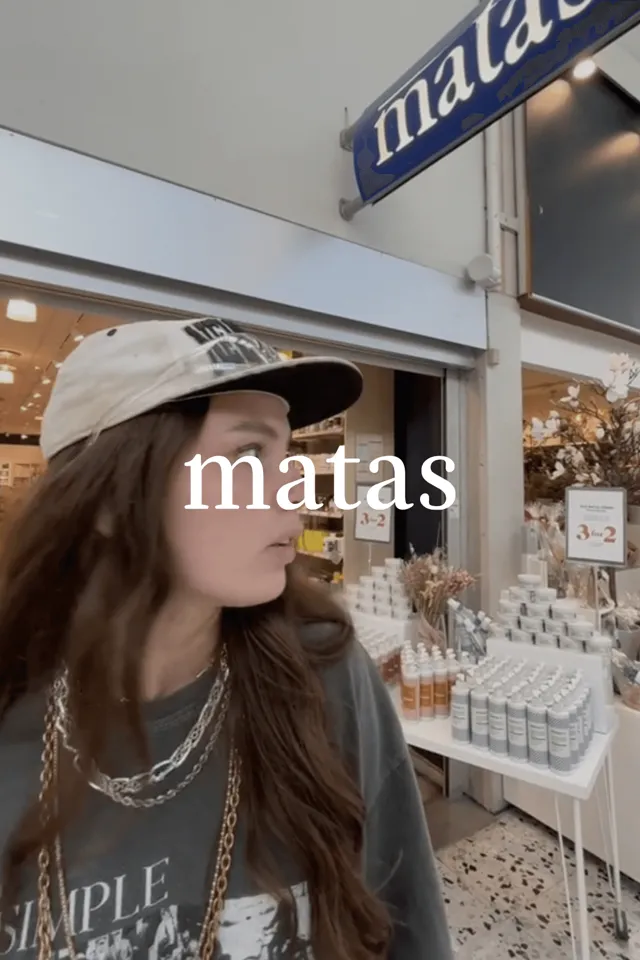
The principle of holding the viewer until the very last second also applies to short formats, by the way. It was one of the keys when we worked with Matas on TikTok.
How we work with YouTube marketing
On YouTube we mainly work with creators. These are often bigger productions, where the client commits more to format, quality and idea. But it isn't only about production. It's about understanding what people actually want to spend time on.
Goals and direction
We start with what the campaign needs to achieve: awareness, consideration or sales. That determines the format, the creators and whether paid media is needed. It's the same foundation we describe under campaign strategy.
Idea and format
We develop a concept that makes sense on YouTube. It might be a single integration, a series or a repeatable format. The most important thing is that it can hold attention over a longer stretch.
The right creator match
We find creators who suit the format – not just the brand. Then we develop the ideas together with them, so the content feels natural for the creator and their audience.
Production
We work with both the creators and the production, so the overall output feels polished. The focus is on hook, pacing and structure, not on production for production's sake.
Distribution and cutdowns
The long video is cut down into shorter formats for social and paid. We can also support it with paid media when the campaign's goals call for it.
Evaluation
We look at how long people watch, where they drop off and how the cutdowns perform. We take that knowledge into the next production.
We have worked with YouTube for a range of brands, including Momondo, Factor, Duff Beauty and Wolt. Depending on the campaign's goals, we've handled both content production and paid media.
Working with YouTube creators
Creators are central on YouTube. They've already built a relationship with their audience, often over several years, and viewers come back because they like the person behind the channel.
When a brand becomes part of that world in the right way, it borrows some of that trust.
That's why a good YouTube partnership is about more than reach. It's about:
- finding the right match between creator, format and brand
- developing the ideas together with the creator instead of handing over a finished script
- leaving room for the creator's own voice, so the integration doesn't feel like an ad
- agreeing clearly on what has to be included and what the creator is free to shape
We work with creators who are either already established on YouTube or have the potential to grow there. We actively encourage our creators to be present on several platforms.
That makes them more attractive to brands, because they can build a bigger overall presence and reach more audiences. You can see some of them under our talent.
From long video to cutdowns: content across platforms
YouTube rarely stands alone. Content from a YouTube production can live on across other platforms, where it's cut down and used as teasers on Instagram and TikTok, for example. That means one production can create value in several places.
Typically, we work with:
- long formats for YouTube
- cutdowns for paid and social
- variations for testing and performance
- teasers that build attention around the long video
That gives you more output without starting from scratch every time.
It does, however, require you to plan the cutdowns from the start, so you capture footage that also works in a vertical, faster format.
That's how YouTube connects with the rest of your social media strategy.
When does YouTube marketing make sense – and when not?
YouTube isn't the right answer to every brief. It's a platform that rewards patience and content with substance.
your product needs explaining or demonstrating, you want to build a deeper relationship with your audience, you have an idea that can carry several minutes, or you want a production that can be cut down into lots of other formats.
you only need quick visibility around a short-lived activity, the message can be said in a few seconds, or there isn't the time and budget to make a production worth spending time on.
In many campaigns the answer is a combination. YouTube carries the long story, while the short formats on TikTok and Instagram build broad awareness and send people onwards.
Common mistakes on YouTube
We often see the same challenges when brands get started on YouTube:
- Thinking too much like an ad and forgetting that people chose to watch
- Getting to the point too late, so viewers drop off in the first few seconds
- Underestimating the title and thumbnail, even though they decide whether anyone clicks
- Making content without a clear direction or a goal for what it should achieve
- Copying the TikTok format directly instead of building a story
- Controlling the creator so tightly that the integration no longer sounds like them
What these mistakes have in common is that they make it hard to get results, however much is spent on the production.
That's why we treat YouTube as part of a bigger content strategy, where we always think about idea, format, creators, distribution and how the content can live on.
See more examples of how it all fits together in our cases.
Frequently asked questions
YouTube marketing is when a brand uses YouTube to reach its audience through content people choose to watch. That can be partnerships with YouTube creators, branded series, advertising or short formats such as Shorts. What's special about YouTube is that you have minutes instead of seconds, so you can go in depth and build a story, but you also have to be able to hold the viewer all the way through.
Start with a clear goal and an idea that can carry a longer format. Then find creators whose audience and style suit the format, and develop the content together with them. Pay particular attention to the first few seconds, the pace, and the title and thumbnail. Finally, you can cut the long video down into shorter formats and, if needed, support it with paid media.
TikTok is strong at grabbing attention quickly with short, trend-driven clips. YouTube is about holding attention over time, where longer videos, storytelling and retention are crucial. That's why reusing TikTok content directly on YouTube rarely works. Many campaigns combine the two, though: YouTube carries the story, and short cutdowns create broad visibility.
Retention describes how long people keep watching, and it's one of the most important factors in how a video performs on YouTube. The longer viewers stay, the stronger the video performs. It also means more people get to the message. You improve retention with a strong opening, good pace, fewer dead moments and variety along the way.
It depends on your goal and how much time you can invest. Your own channel needs a steady stream of content over a long period before it gains a stable audience. Creators already have a relationship with their viewers, so a partnership gives you access to an engaged audience straight away. That's why many brands start with creators and build their own content alongside.
Yes. A YouTube production can be cut down into shorter formats and used as teasers or ads on Instagram and TikTok, for example. That gives you more output without starting from scratch. It works best when the cutdowns are planned from the start, so you capture footage that also works vertically and at a faster pace.